Tax Season Isn’t a Bill – It’s a Leverage Event

Most business owners treat tax season like bad weather.
You know it’s coming; you brace for it, you hope it doesn’t hit too hard. Then the same cycle repeats: rushed paperwork, last-minute questions, a final number that feels like a verdict… and everyone moves on until next year.
What almost no one tells you is this: Tax season isn’t just a bill. It’s one of the biggest cash-flow and leverage events in your business.
Handled well, it can increase your capacity to invest, open doors to funding, and strengthen your long-term resilience. Handled poorly, it quietly undermines your growth, no matter how talented you are or how hard you work.
As a tax advisor and business credit strategist, I sit in the middle of tax, funding, and risk every day. I see smart founders who should look powerful on paper… but don’t.
The good news: you don’t need to become an accountant to change that. You just need a different lens and a few key shifts.
Your Tax Return Is a Story, Not Just a Form
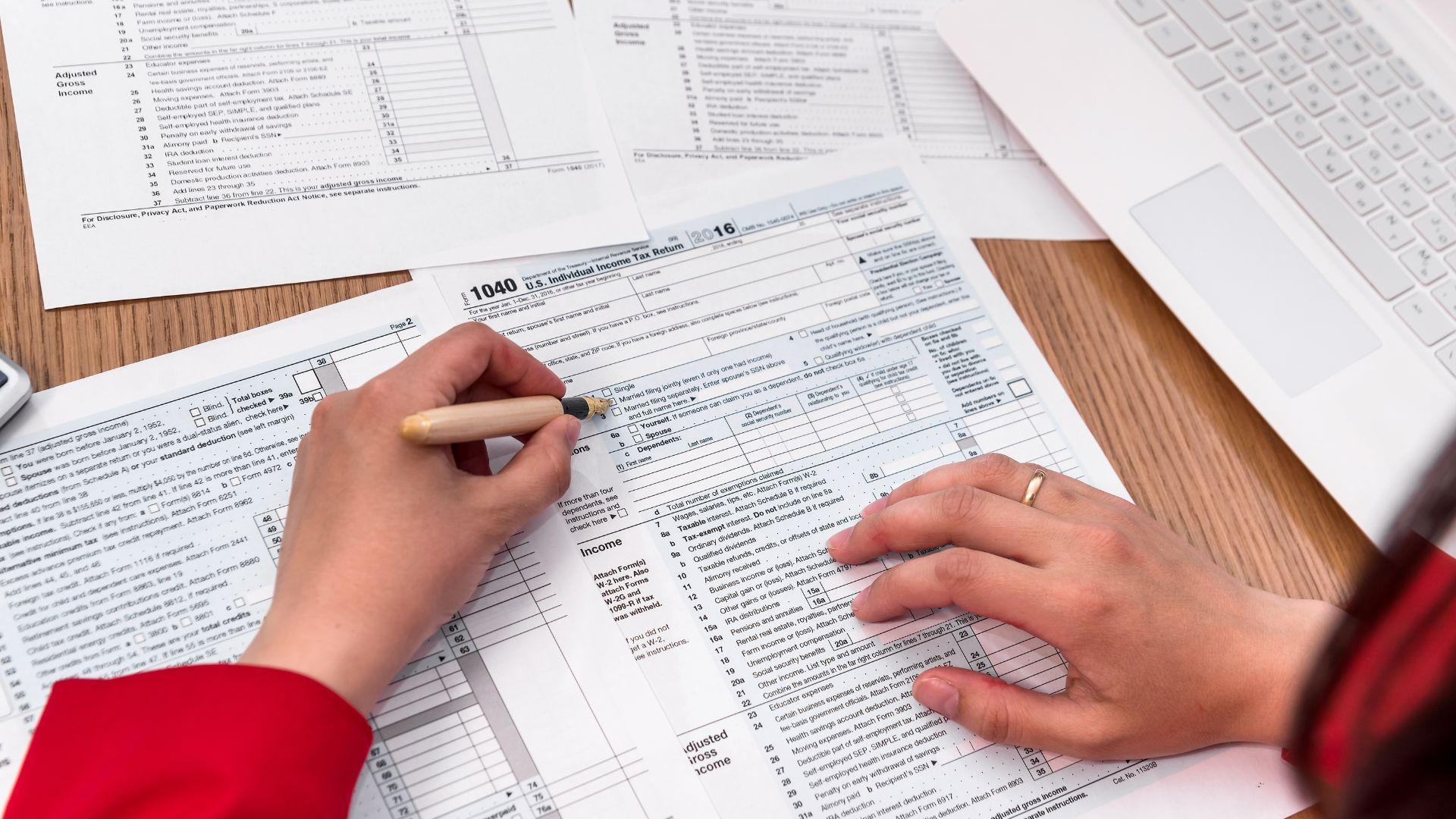
Most people see a tax return as a compliance obligation forms you file so you don’t get in trouble.
But to anyone evaluating your business banks, lenders, landlords, investors, potential partners your tax return is a story about how your company really operates:
- How much comes in
- How much goes out
- Whether there’s healthy profit
- Whether revenue is stable or volatile
- Whether you look organized or chaotic
The IRS reads your return one way (for compliance). Lenders and decision-makers read it another way (for risk and repayment).
If your internal story is “I’m building a strong, scalable business,” but your return reads like “thin margins, inconsistent income, no room for error,” opportunities get blocked even when the potential is there.
The power move is to start treating tax season as the moment you rewrite that story.
Three Shifts That Turn Stress into Leverage
Here are three practical shifts you can make this year to move from dread to strategy.
1. From “Minimize Tax at All Costs” to “Optimize Cash and Credibility”
Most of us were taught that the goal is to pay as little tax as possible. So, we push everything into expenses and aim to show the lowest profit we can.
In the short term, that might shrink the bill. In the long term, it can make your business look weak on paper.
To a lender or investor, a return with very low profit, erratic income, or shrinking numbers doesn’t say “smart tax strategy.” It says, “This business may not be strong enough to handle more capital.”
A more strategic approach:
- Ask your tax professional: “How does this return look to a lender or underwriter?”
- Get clear on the level of profit you need to show to support the funding, leasing, or growth you want in the next 12–24 months.
- Shift the goal from “lowest possible tax bill” to “healthy after-tax cash flow and a credible financial story.”
You’re not trying to overpay. You’re aligning your tax strategy with your growth strategy.
2. From Year-End Scramble to Simple, Year-Round Systems
The second shift is operational, not technical.
For many owners, tax season means digging for receipts, reconciling months of transactions at once, and trying to remember what happened last February. That doesn’t just create stress; it creates risk.
Messy numbers are easier to misinterpret, harder to verify, and less persuasive when someone is evaluating your business.
You don’t need an elaborate system to improve this. You need a simple one you’ll actually use:
- Block a monthly “Money Monday” to review revenue and expenses, categorize transactions, and flag anything unusual.
- Keep personal and business finances clearly separated.
- Save digital copies of key documents in one shared folder.
By the time tax season arrives, you’re not building your numbers from scratch—you’re closing the loop on a story you’ve been tracking all year.
3. From Solo Guessing to a “Money Advisory Circle”
Many founders try to navigate all of this alone: taxes, cash flow, credit, risk, pricing, payroll.
The result is decision fatigue and guesswork.
Instead, think about building a Money Advisory Circle, a small support system around your numbers. This might include:
- A tax professional who understands strategy, not just filing
- A bookkeeper who gives you clean, timely data
- A banker who will tell you honestly what they look for
- In some cases, a fractional CFO, financial coach, or risk consultant
You don’t need all of these at once. Start with what you have and ask better questions:
- "What do you see in my numbers that I might be missing?”
- “If I want to qualify for more funding or a higher line in 12–24 months, what should I be doing differently now?”
- “What would make my business look stronger and safer on paper?”
When you stop making isolated money decisions and start making coordinated ones, tax season becomes one part of a bigger strategy not an annual surprise.
A 10-Minute Tax Readiness Check
Before you hit “send” on this year’s return, take ten minutes with a notebook and ask yourself:
- What story did last year’s tax return tell?
– Low or healthy profit?
– Chaotic or consistent records?
– Growth, decline, or flat? - Does that story match the business I’m actually building?
If not, where is the misalignment pricing, expenses, offers, or how we’re reporting? - What funding or opportunities might I want in the next 12–24 months?
Credit lines, equipment, a new lease, investors, a major partnership? - What one change would make my numbers more believable and compelling?
Cleaner books? Clearer separation of business and personal? A more sustainable level of profit?
You don’t have to solve everything at once. Even one intentional change this year can dramatically shift how your business is perceived.
The Real Win: Being Fundable for What’s Next
When you start treating tax season as a leverage event, a few things happen quickly:
- You feel less blindsided by your numbers and more in control of them.
- Conversations with lenders, partners, and advisors become clearer and more confident.
- You make decisions about hiring, investing, and taking on debt from a more realistic picture, not just a tax bill.
Most importantly, tax season stops being something you survive and becomes something you use to protect what you’ve built, position yourself for the capital you’ll need, and create more breathing room in your cash flow.
You don’t need perfect books or a finance degree to start.
You just need a different question.
Instead of: “How fast can I get this over with?” Try: “How can I use this tax season to make my business stronger, safer, and more fundable for what’s next?”
That’s when tax season becomes more than a deadline. It becomes one of the most powerful leverage points in your year.
More about Rackaye

Hi, I’m Rackaye “Kaye” Christie, a Strategic Tax & Fundability Advisor helping women founders build profitable, fundable, and resilient businesses.
My work lives at the intersection of three critical business drivers:
- Tax – how your financial story shows up on paper
- Business Credit – how fundable you appear to lenders and capital partners
- Risk – how protected (or exposed) your business truly is
Every year, I see brilliant women doing exceptional work but feeling unnecessary pressure at tax time not because they lack revenue, but because their financial strategy isn’t fully aligned.
Because profitability is good but fundability creates options.
My mission is simple:
I help women turn tax season into a cash-flow advantage by strengthening the alignment between cash flow, credit capacity, and business protection.